
The importance and logic for autonomous climate & irrigation control in Mexico
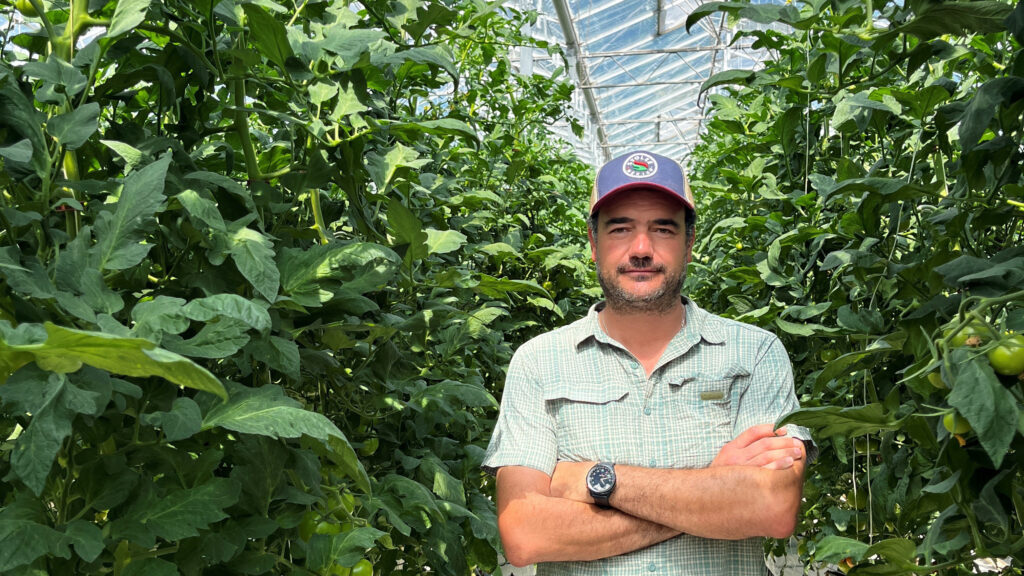
In this interview, Manuel Valdes explains why irrigation has become a high-pressure daily challenge, and why autonomous climate & irrigation control is a logical next step.
8 reasons why other greenhouse leaders started with autonomous growing
Growers and greenhouse owners are increasingly searching for solutions that help them stay in control as complexity continues to rise. They want solutions and technologies that keep operations stable, make daily decisions clearer, and turn the growing stream of greenhouse data into practical actions they can trust.
Seeing is believing: how growers take the first step towards autonomous control
A six-month trial with Crop Controller gives you a practical introduction to AI-powered climate and irrigation steering, whilst being supported by an Autonomous Greenhouse Manager. During the trial, you’ll see how the system turns data and forecasts into proactive actions, maintaining consistency without repetitive manual work.
Strategic screen use in autumn: how Crop Controller helps you get it right
As the greenhouse season shifts from summer into autumn, growers face a familiar but complex challenge: when to start closing energy screens. It’s not just a technical decision, it’s a strategic one that affects energy use, crop health, and climate stability. And it’s exactly the kind of decision that Crop Controller is designed to support.
“Every irrigation shot counts: Crop Controller tunes into your crop’s natural rhythm”
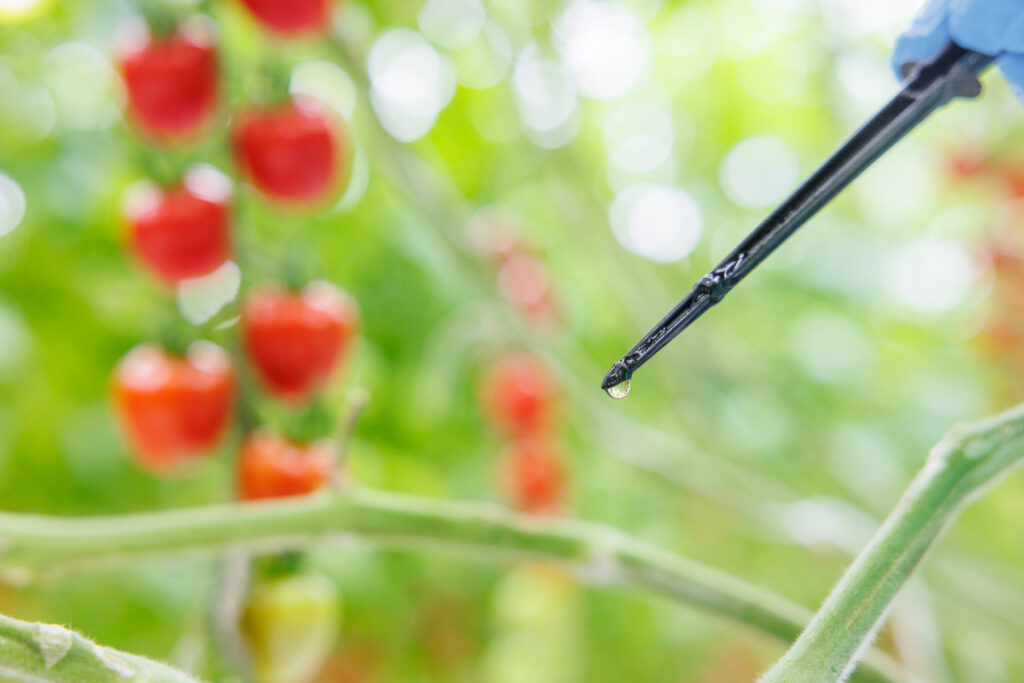
Growers face daily decisions under pressure. Light intensity, outside temperature, humidity, drain levels—everything is constantly changing. And every irrigation decision has consequences. A single mistake can affect the root zone, nutrient uptake, and overall plant balance. This is exactly the complexity Crop Controller is designed to manage.
4 Things You Might Not Know About Autonomous Control
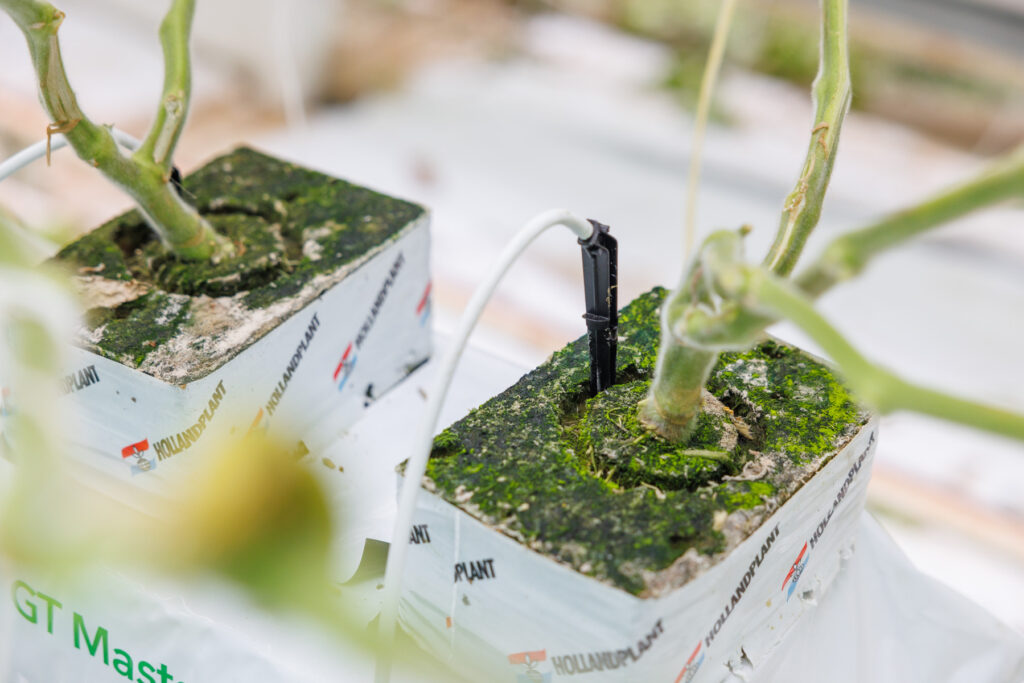
Autonomous control isn’t a distant promise. It’s a proven, data-driven approach that’s helping growers save time, reduce variability, and focus on what matters most: crop quality and strategic growth. Here are four things you might not know about how it works — and why it’s already making a difference.